
23 Feb 2026Article
Kenya’s coffee is world-renowned for its bright acidity, complex flavors, and aromatic richness. But beyond the beans, coffee in Kenya represents a deep cultural heritage, a growing lifestyle trend, and […]
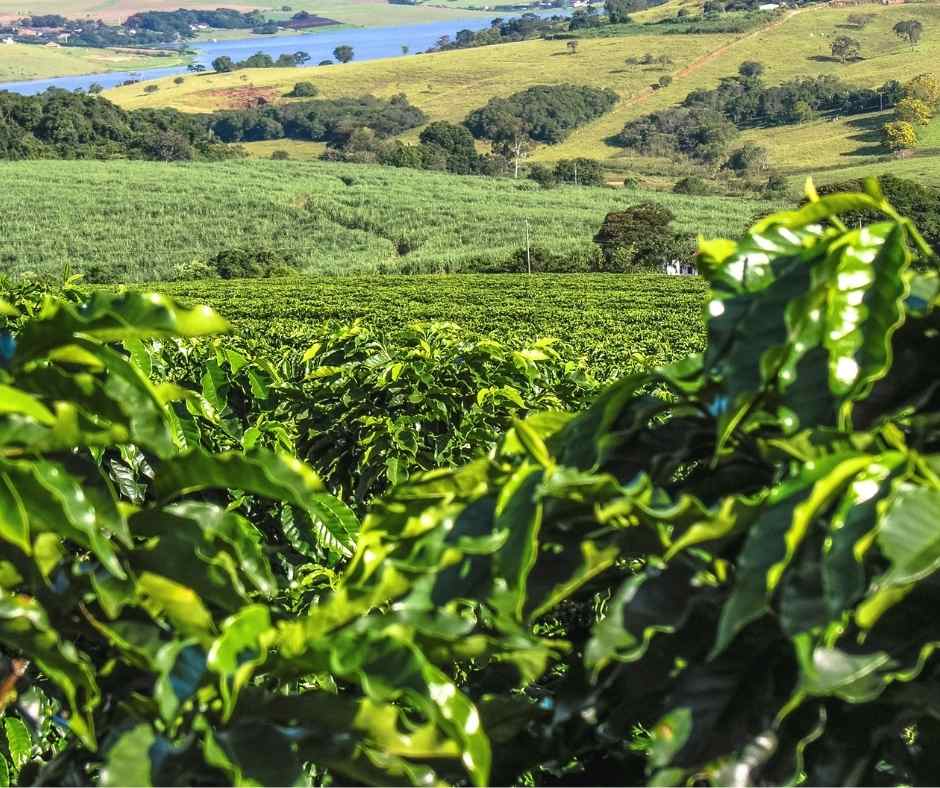
Kenya’s coffee is world-renowned for its bright acidity, complex flavors, and aromatic richness. But beyond the beans, coffee in Kenya represents a deep cultural heritage, a growing lifestyle trend, and an evolving industry that connects farmers, roasters, and consumers in unique ways.
Roots of Kenyan Coffee
- Colonial Introduction: Coffee was introduced to Kenya in the late 19th century by missionaries and expanded under British colonial rule in the early 20th century. It quickly became a cornerstone of the economy and a symbol of prosperity.
- Highland Heritage: The fertile volcanic soils and cool climate of regions like Nyeri, Kirinyaga, and Embu produce beans with distinctive fruity and wine-like notes.
Coffee as a Lifestyle
- Urban Coffee Culture: In Nairobi and other cities, coffee shops are thriving as social hubs. Specialty cafés highlight single-origin Kenyan beans, offering immersive experiences for young professionals and tourists alike.
- Global Influence: International brands like Nespresso have entered the Kenyan market, blending global coffee trends with local traditions.
- Daily Rituals: While tea remains the most common household beverage, coffee is increasingly embraced as a symbol of modernity, creativity, and productivity.
Coffee as Identity
- Farmer Pride: Smallholder farmers, who produce the majority of Kenya’s coffee, see their work as both livelihood and legacy. Coffee farming often passes through generations, reinforcing cultural ties to the land.
- Community Connection: Coffee cooperatives not only manage production but also foster social bonds, empowering rural communities.
The Future of Coffee Culture
- Experiential Coffee: Coffee is no longer just a drink—it’s becoming an experience. From farm tours in the highlands to barista-led tastings in Nairobi, consumers are engaging with coffee in new, interactive ways.
- Sustainability and Innovation: As climate change and market pressures reshape the industry, Kenyan coffee culture is adapting with eco-friendly practices, direct trade models, and digital storytelling.